
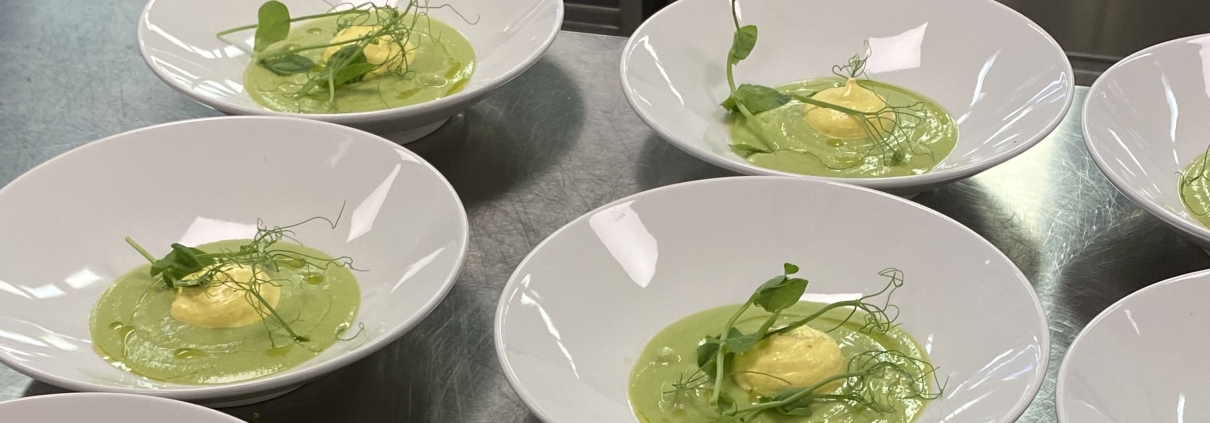




Sustainable Food Transition

Department of Food Nutrition & Culinary Science.

The Research Group aims to promote the transition to sustainable, healthy, and tasty eating rooted in historical, cultural, and social consumption practices and expressed through culinary craft. The Research Group seeks to connect various discussions around sustainability in the food sector.

VISION

  • To comprehend and promote the societal shift toward sustainable, nutritious, and tasty foods.
  • To enhance sustainability skills within the Department of Food Nutrition & Culinary Science.


Research Group Sustainable Food Transitions


Below, you can find the Projects where members of our research groups have an active role:


Maxence Blanchet, Doctoral Student


`Ethnographic Study of Fermentation in Europe´

 
  • Fermented foods could be a step towards a more sustainable world, by providing nutritious food, preventing food waste, creating  ’deliciousness’. The HealthFerm project is aiming at exploring the potential of fermented foods for human health and our world’s sustainability. A crucial question is to understand how to create products that will successfully replace others. What is the social acceptability of those new products, and of fermented foods in general?
  • By focusing on home-fermenters as early adopters, and relying on the framework of social practice theories, this thesis will uncover the sociological conditions leading to the practice of fermentation in a domestic context.  The research will use both qualitative and quantitative methods to explore the meanings, materials and know-how allowing the repeated practice of fermenting and eating fermented foods at home.


Contact

Maxence Blanchet

doctoral student

maxence.blanchet@umu.se


Prof. Perez-Cueto Presents Consumer Acceptance of Algae Foods at Nordic Algae Symposium
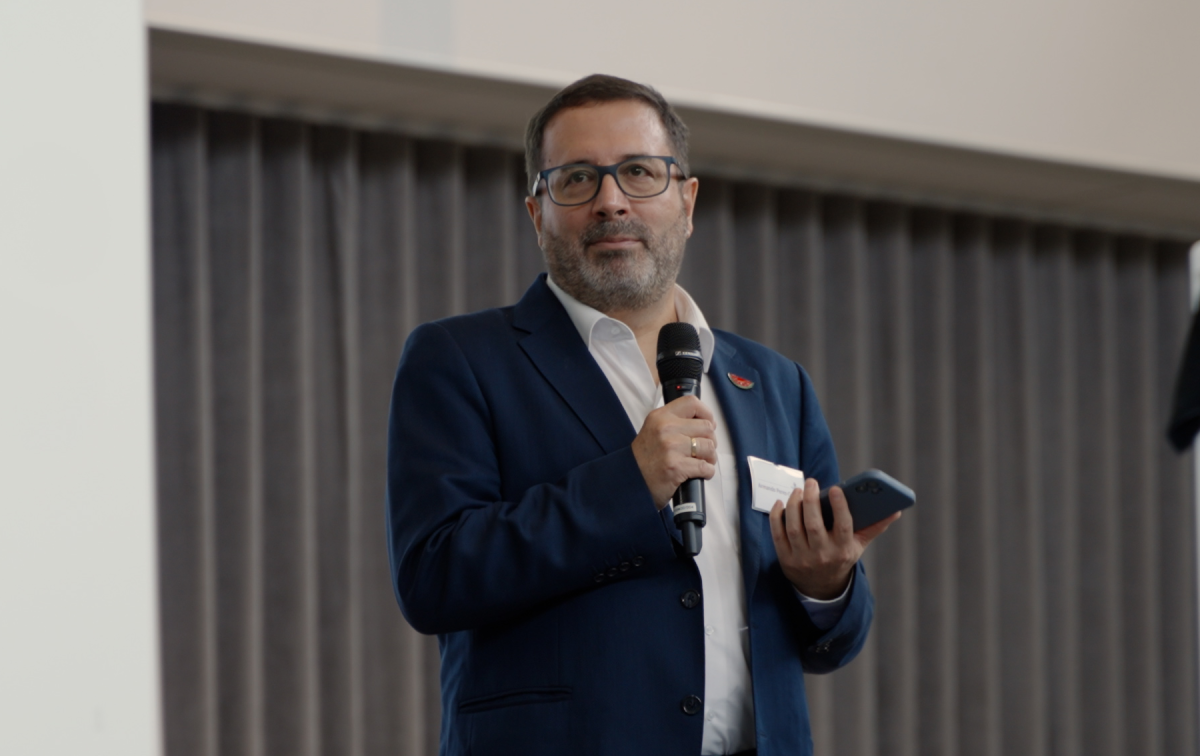
Photo credits to: Simon Öhman Jönsson


On October 22nd, Prof. Perez-Cueto presented at The Nordic Photosynthesis Congress and Nordic Algae Symposium 2025 the White Paper – Consumer Acceptance of Algae-Based Foods. The key messages of the presentation were: Market penetration is relatively low, but attitudes towards foods containing algae are generally favorable. Consumers consider that algae-based foods contribute to a more sustainable food system. Trust is high both in the products and the technology used to produce them. Initial taste expectations for meat, egg and fish alternatives have been identified, like avoidance of green color,  too much matcha flavor and sour taste. Among the barriers, availability is limited, and it is now in the hands of the food industry to provide consumer with acceptable products.